

Genus, Species and Hierarchy of Classification
Subject: Science and Technology

Overview
Biological classification follows seven levels: Kingdom, Phylum, Class, Order, Family, Genus, and Species. Learn the KPCOFGS mnemonic, understand what defines a genus and a species, and study the complete classification of humans, cats, and the mango tree at every level of the hierarchy.
1. The Hierarchy of Classification
Scientists do not simply sort organisms into five kingdoms and stop there. Classification proceeds through a series of progressively smaller and more specific groupings called taxonomic ranks. There are seven major levels, arranged from broadest to most specific.
The Seven Levels from broad to specific:
Kingdom → Phylum → Class → Order → Family → Genus → Species
Mnemonic: King Phillip Came Over For Good Soup ( K P C O F G S )
As you move from Kingdom to Species, the organisms in each group share more and more characteristics with each other. A species is the most specific level — all members can interbreed and produce fertile offspring.
2. Classification of Common Organisms
The table below shows the complete seven-level classification of three familiar organisms: humans, domestic cats, and the mango tree.
| Level | Human | Domestic Cat | Mango Tree |
|---|---|---|---|
| Kingdom | Animalia | Animalia | Plantae |
| Phylum | Chordata | Chordata | Magnoliophyta |
| Class | Mammalia | Mammalia | Magnoliopsida |
| Order | Primates | Carnivora | Sapindales |
| Family | Hominidae | Felidae | Anacardiaceae |
| Genus | Homo | Felis | Mangifera |
| Species | sapiens | catus | indica |
3. What is a Genus?
A genus (plural: genera) is a group of closely related species that share a set of common structural characteristics and a common evolutionary origin. Organisms within the same genus are more similar to each other than to organisms in any other genus.
Examples of Genus:
- Homo — modern humans (Homo sapiens) and extinct relatives (Homo erectus)
- Felis — domestic cat (Felis catus) and wildcat (Felis silvestris)
- Mangifera — common mango (Mangifera indica) and other mango species
- Panthera — lion (Panthera leo), tiger (Panthera tigris), leopard (Panthera pardus)
4. What is a Species?
A species is the most fundamental unit of biological classification. It is defined as a group of organisms that share the same structural and functional characteristics and are capable of interbreeding to produce fertile offspring. Members of different species cannot normally interbreed to produce fertile young.
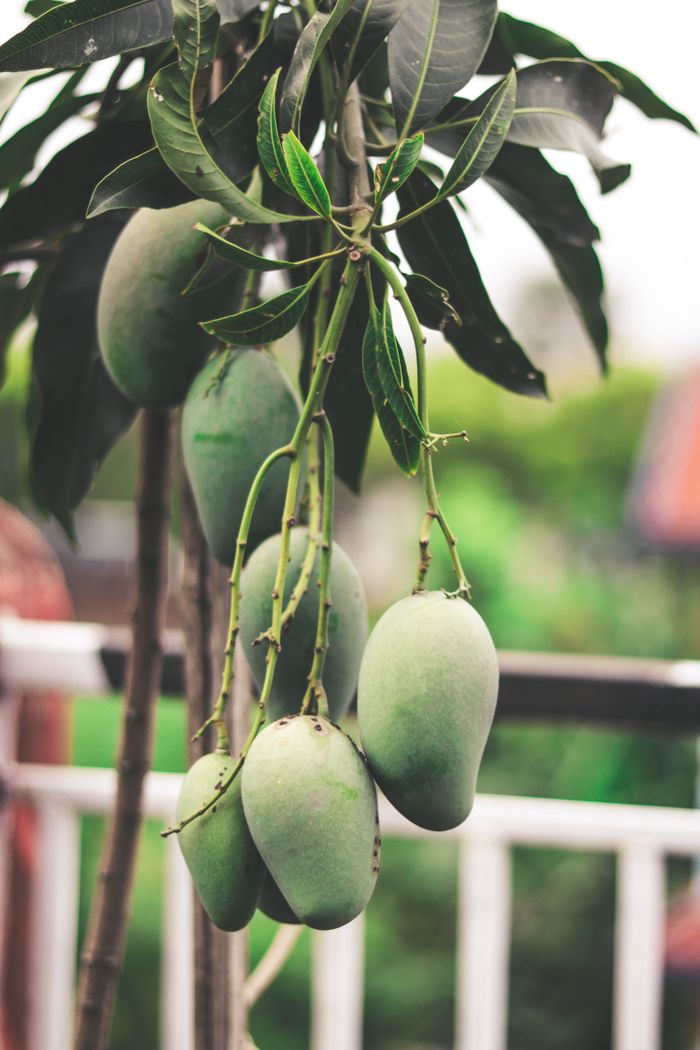
The mango belongs to the species Mangifera indica. All mango trees of this species share the same structural features and can interbreed.
Examples of Species:
- sapiens — in genus Homo, giving Homo sapiens (modern human)
- indica — in genus Mangifera, giving Mangifera indica (mango)
- domestica — in genus Musca, giving Musca domestica (house fly)
- tigrina — in genus Rana, giving Rana tigrina (common frog)
5. Watch and Learn
The following videos explain the hierarchy of classification, genus, and species. Click on a thumbnail to watch.

Things to remember title
Things to Remember
- Seven levels from broad to specific: Kingdom, Phylum, Class, Order, Family, Genus, Species.
- Mnemonic: King Phillip Came Over For Good Soup (KPCOFGS).
- As you move from Kingdom to Species, organisms share more characteristics.
- A genus is a group of closely related species sharing common structural features.
- A species is a group of organisms that can interbreed and produce fertile offspring.
- Scientific name = Genus + species. Example: Homo sapiens, Mangifera indica, Rana tigrina.
- Genus starts with a capital letter; species name is written in lowercase.
© 2021 Saralmind. All Rights Reserved.
 Login with google